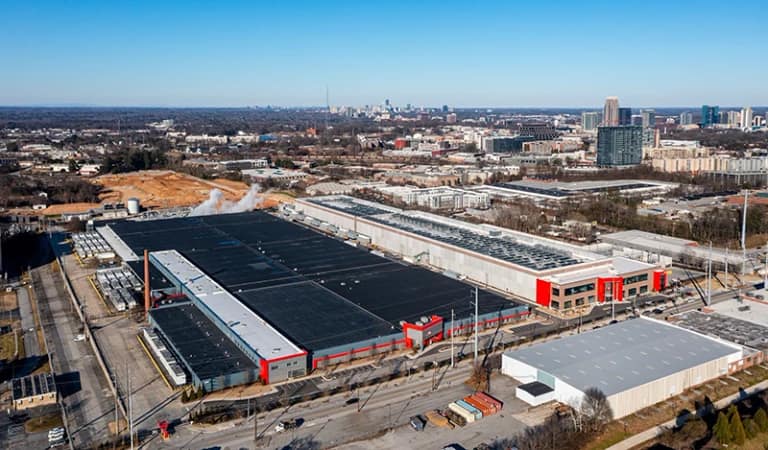
Computer data center with the Atlanta skyline in the background

Guidance for local governments

Data Center Growth in Metro Atlanta

Metro Atlanta is becoming a national hub for data centers and AI-related infrastructure. These developments bring opportunities along with challenges and responsibility.

What is a data center?

Secure facilities that run 24-7

Data centers are secure facilities that often house large volumes of computer servers that store, process, and transmit data to power AI, cloud computing, e-commerce, and other uses. They operate 24-7 and can put pressure on local resources if not properly planned.

When considering data center proposals, elected officials, utilities, and developers should coordinate early and ask the right questions to support effective, long-term decision making.

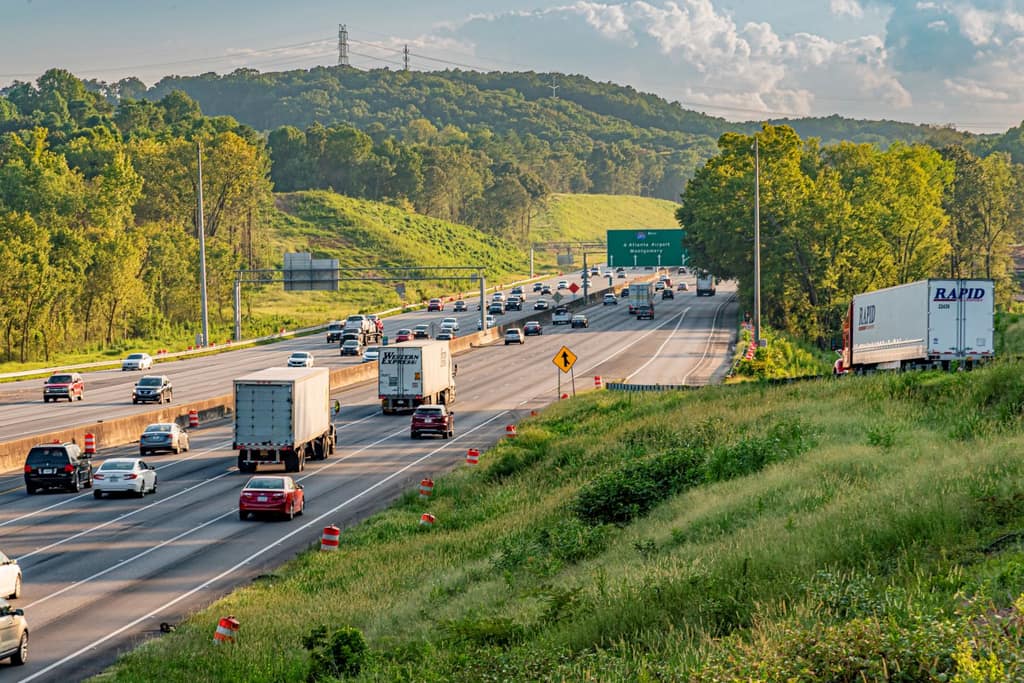
Traffic on Interstate 285 near Bouldercrest Road

Key considerations

Opportunities, with responsibility

Water and energy resources

Depending on design, data centers can use large amounts of water for cooling. That’s a challenge in metro Atlanta, which relies on surface water and is prone to droughts. Closed-loop cooling systems use far less water than designs that use evaporative cooling — however, data centers utilizing closed-loop cooling use significantly more energy.

Data Centers and Water Use

Economy & Jobs

Data centers generate tax revenues and offer opportunities for community reinvestment in areas such as affordable housing, public safety, parks, and open space. The facilities produce a limited number of high-skilled, high-wage technical positions.

APA: The Physical Footprint of AI

Community Impact

Data centers can be larger than a big-box store, placing pressure on residential areas and other nearby developments and possibly leading to loss of trees and green spaces. Facilities may require installation of high-voltage power lines, and noise may be generated from backup power sources and cooling systems.

Georgia Data Center Ordinance Hub

How local governments should prepare

Prepare for potential data center development

1
Step 1

Plan Thoughtfully

  • Give your community time to update codes and comprehensive plans as needed, with opportunities for public engagement.
  • Balance the benefits of data center investment with the realities of land use, infrastructure, and environmental impacts.
2
Step 2

Establish Financial Priorities

  • Create a financial plan that identifies your community’s long-term priorities and builds resilience for future changes in revenue streams.
3
Step 3

Define Water and Energy Expectations

  • Set clear expectations early for water availability, cooling needs, and reliability and ensure that cooling technologies match local water availability.
  • Understand your options and establish agreements that protect the community during droughts, outages, or emergencies.
4
Step 4

Other steps to consider

  • Require buffers between data centers and adjacent properties
  • Manage stormwater runoff to prevent flooding and protect water quality
  • Plan for fire and safety
  • Consider ordinances to manage lighting and noise
  • Consider requiring cleaner burning ‘Tier IV’ generators as backup power source

Call to Action

Everyone has a part

Developers

Engage with water utilities early in the process.

LEED: Data Centers

Utilities

Consider requiring closed-loop cooling, update drought management plans, and communicate water delivery systems with developer.

Metro Water District

Local Leaders

Support policies for balanced, resilient growth that benefit your community in both the short and long term.

Ordinance Hub

Resources

Further reading

FILE

Georgia Data Center Ordinance Hub

The Georgia Data Center Ordinance Hub provides a structured, side-by-side view of land-use ordinances related to data centers across Georgia jurisdictions.

Georgia Tech

Questions and Comments

Ask ARC about data center growth

Send your questions and comments to ARC’s planning staff.